
Mysa vs Flair for Mini Splits: Which Smart Controller Fits Your System?
Mysa and Flair both add smart control to ductless systems, but they suit different homes. Compare compatibility, sensors, setup, and everyday control before buying.
Reviewed for source quality, practical usefulness, safety boundaries, and affiliate disclosure. Read our editorial policy.
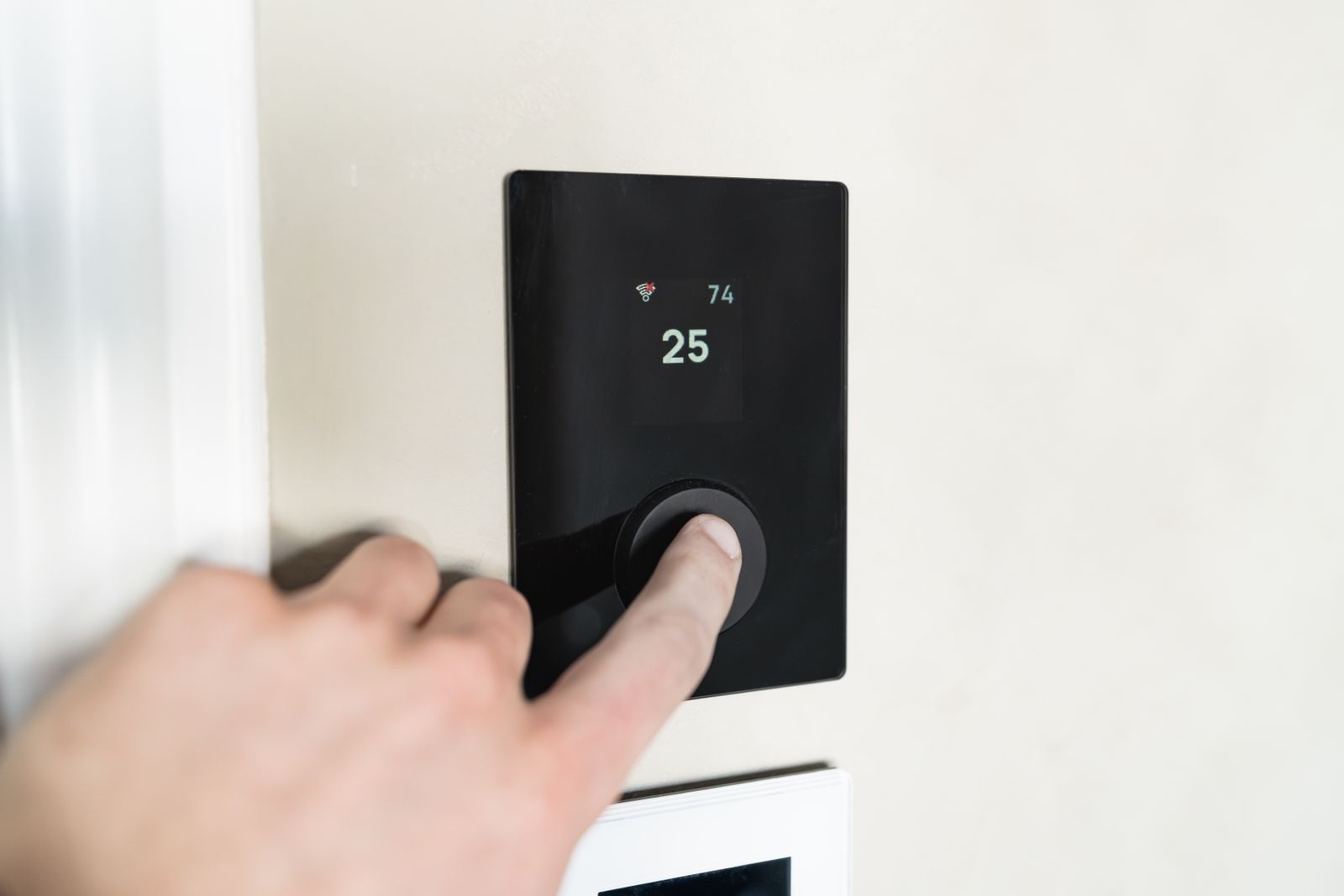
“Mysa vs Flair” is usually a comparison between two ways to add smart control to a ductless mini split. They are not ordinary 24-volt thermostats for a furnace-and-central-air system. They sit in the room, communicate with the indoor head, and add scheduling, app control, temperature sensing, or automation on top of the factory remote.
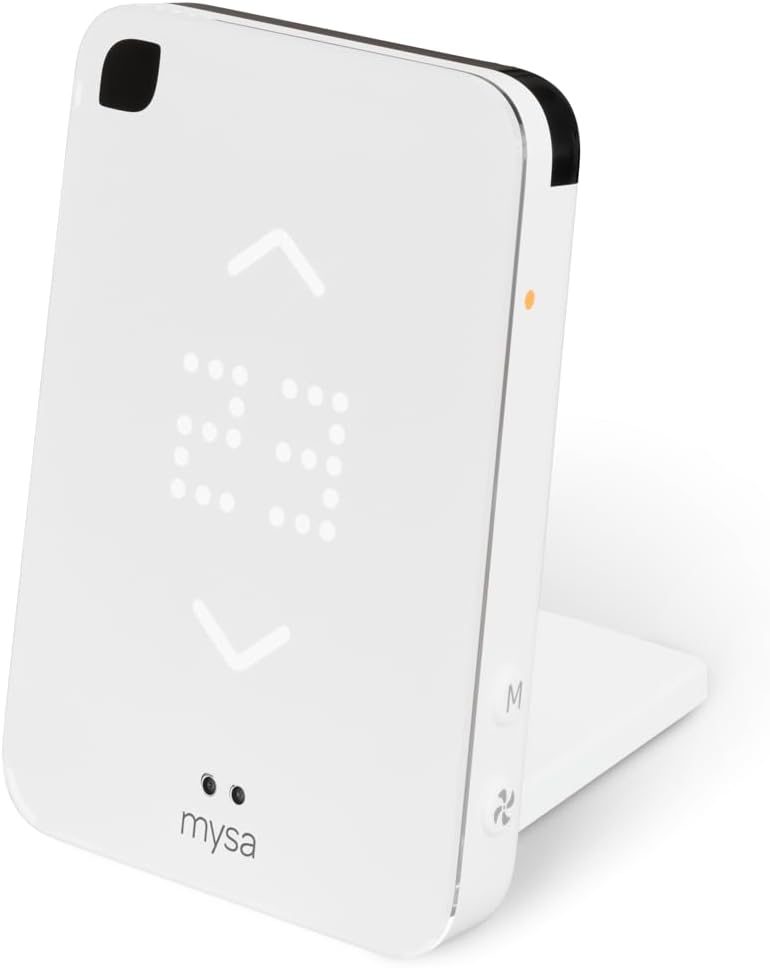 Amazon Recommended product Mysa Smart Thermostat for AC and Mini-Splits Check price on Amazon
Mysa is the more thermostat-like option; Flair is the more room-automation-oriented option. That distinction matters more than a feature checklist.
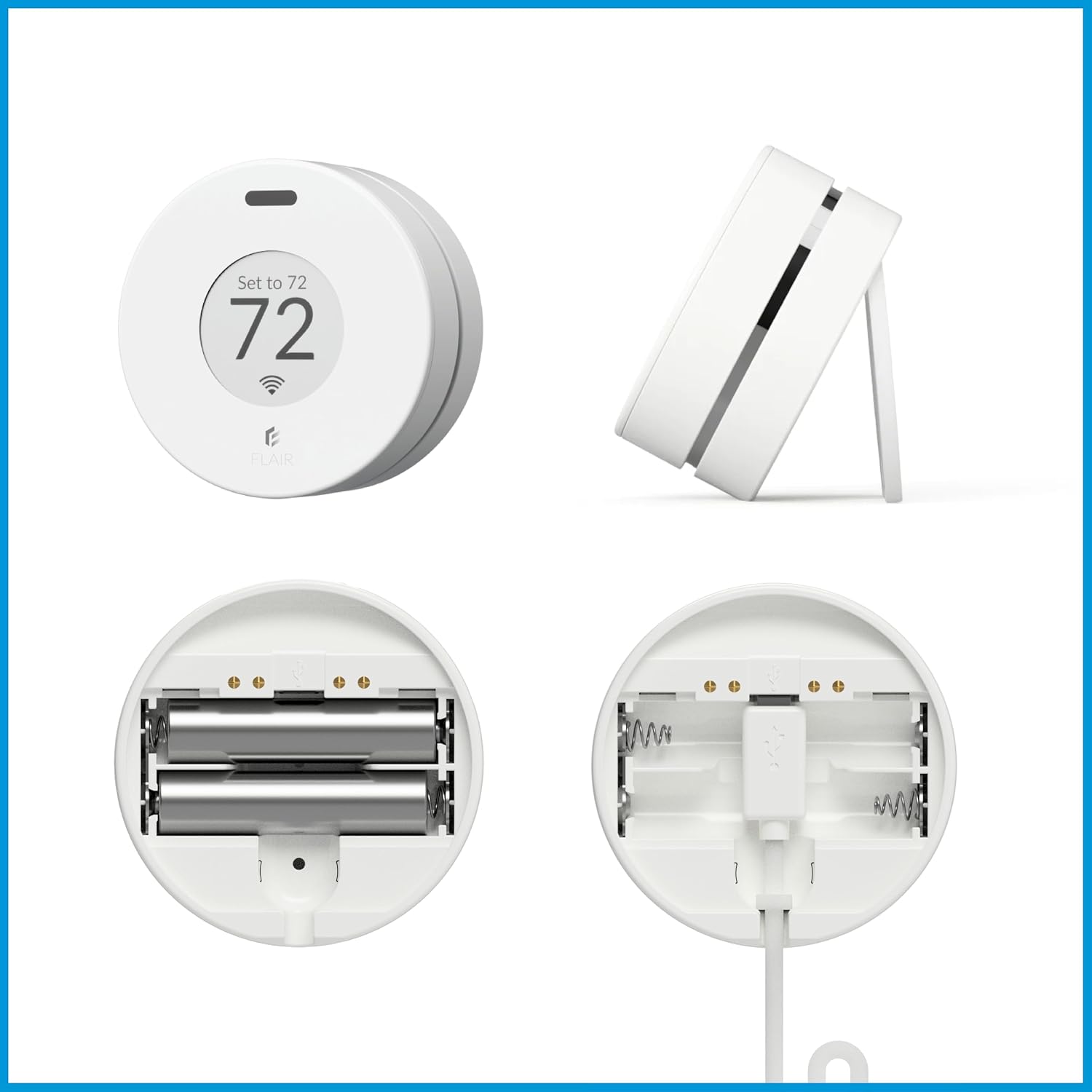 Amazon Recommended product Flair Puck wireless room sensor Check price on Amazon
Quick answer
Choose Mysa for AC and Mini-Splits when you want a dedicated wall control, a cleaner thermostat-style interface, and your exact mini split appears in Mysa’s compatibility information.
Choose Flair when you want room-by-room temperature sensing, multiple Pucks, smart-home integrations, or a system that can coordinate comfort across several rooms.
Do not buy either one solely because the listing says “universal.” Confirm the exact indoor-unit brand, remote type, and supported functions first.
The practical difference
Mysa approaches the problem like a thermostat designer. The control point is intended to feel permanent and deliberate rather than like another small gadget sitting on a shelf. That can suit a living room, bedroom, or home office where you want one obvious place to adjust temperature.
Flair approaches the problem more like a distributed comfort system. A Flair Puck can act as a room sensor and controller, and a multi-room setup can make more sense when the temperature where the mini split is mounted is not the temperature where people actually sit or sleep.
Neither approach changes the underlying mini split into a conventional 24-volt HVAC system. The indoor unit still has its own logic, remote protocol, operating modes, and limits.
Compatibility comes first
Mysa states that its mini-split product is designed for compatible ductless systems and should be checked against the supported brand and model information before purchase. Flair likewise tells buyers to check compatibility for the specific air conditioner or heat pump and its remote-control behavior. Mysa compatibility information Flair compatibility information
Before ordering, identify:
- the indoor-unit model number;
- the original remote model, if printed on the remote;
- whether the unit is cooling-only or a heat pump;
- whether you need Heat, Dry, fan-speed, vane, timer, or other special modes;
- whether the controller will have a clear path to the indoor head.
A controller can turn the unit on and off yet still be a poor match if it cannot reliably send heat-pump modes, fan settings, or temperature changes.
Mysa: where it makes sense
Mysa is attractive when you want the visual and everyday behavior of a wall thermostat without wiring a conventional thermostat cable to the mini split. It can be a good fit for a homeowner who wants fewer separate remotes and a consistent control point.
Consider Mysa if:
- the exact mini split is supported;
- you prefer a dedicated wall-mounted interface;
- one room or zone is the main comfort priority;
- you want app access but do not want a complicated multi-room automation project;
- the factory remote will remain available as a backup.
Be careful if the installation location is far from the indoor head or hidden behind furniture. Infrared control still depends on placement and signal behavior.
Flair: where it makes sense
Flair is more compelling when comfort varies from room to room. A Puck can measure conditions away from the indoor head, which may give the automation system a better picture of the occupied space than the sensor inside the wall unit.
Consider Flair if:
- you want multiple room sensors;
- you are building a broader smart-home setup;
- the mini split serves a room whose occupied temperature differs from the head’s location;
- you want to experiment with automation rather than only replace the remote;
- you are comfortable checking compatibility and spending more time on setup.
The trade-off is complexity. More sensors, rooms, and automation rules create more opportunities for confusing behavior when the original remote, phone app, and smart controller all send commands.
Mysa vs Flair comparison
| Question | Mysa | Flair |
|---|---|---|
| Main idea | Thermostat-like mini split control | Distributed room sensing and automation |
| Best for | One clear control point | Several rooms or comfort zones |
| Setup | Usually simpler | Can become more involved |
| Placement | Wall control with a clear path to the head | Puck placement matters for room sensing and IR control |
| Multi-room use | Check the per-head plan carefully | Stronger fit for sensor-based room logic |
| Factory remote | Keep it as a backup | Keep it as a backup |
Where Sensibo and Cielo fit
Searchers often compare Mysa or Flair with Sensibo and Cielo because all four can sit between a mini split and a smart-home workflow. The useful distinction is the control experience: Sensibo and Cielo are generally considered first as IR smart-controller options, Mysa emphasizes a thermostat-like control point, and Flair emphasizes room sensing and automation.
That is only a starting point. The exact indoor unit, remote protocol, Heat-mode support, placement, and per-room plan still decide whether any of them is appropriate. Use the smart thermostat comparison guide for the wider product matrix, then use this page for the Mysa-versus-Flair decision.
Which one should you buy?
For a single mini split in a bedroom or office, I would start with the product that has the clearest compatibility match and the control style you will actually use. A thermostat-like wall interface may make Mysa feel more natural. A room sensor and automation approach may make Flair more useful when the head is in a poor sensing location.
For a multi-zone system, map the indoor heads first. Do not assume that one controller connected to the outdoor condenser will independently control every room. Ask how the system handles simultaneous heating and cooling, setpoint changes, and loss of Wi-Fi.
The safest buying sequence is:
- Photograph the indoor-unit and remote labels.
- Check the manufacturer’s compatibility page.
- Confirm heat-pump mode if you use the system for winter heating.
- Confirm what happens when someone uses the original remote.
- Buy one controller first if the system is unfamiliar.
- Test cooling, heating, fan speed, schedules, and recovery before expanding.
Recommendation by room and setup
Mysa is the better starting point for a homeowner who wants a thermostat-like experience on one supported mini split. Flair is the better starting point when room sensing and broader automation are the reason you are upgrading.
The exact mini split model still decides the outcome. Compatibility, placement, and control behavior matter more than the brand name on the smart controller.
A one-room test plan before expanding
If you are deciding between controllers, test one indoor head first. Record the room temperature with a separate thermometer, then check Cool, Heat if available, fan speed, setpoint changes, schedules, and recovery after the original remote is used. Also test what remains controllable during a Wi-Fi outage.
This small trial exposes the differences that product pages often compress into a feature list: sensor location, command reliability, state synchronization, and how much setup the household will actually tolerate.
Sources
Product pages to compare
Use these links as starting points only. Compatibility with the exact indoor head and remote still matters more than the product name.
Frequently Asked Questions
Is Mysa or Flair better for a mini split?
Neither is universally better. Mysa is the more thermostat-like choice for a supported mini split when you want a simple wall-mounted control point. Flair makes more sense when you want room sensing, multiple Pucks, and broader smart-home comfort automation.
Do Mysa and Flair replace the factory mini split remote?
They can add app and automation control, but you should keep the factory remote. Both depend on compatibility with the indoor unit and its infrared control behavior, and some advanced functions may remain easier to access from the original remote.
Can one controller manage a multi-zone mini split?
Usually you should plan around the indoor heads, not only the outdoor condenser. Each independently controlled indoor unit may need its own compatible controller or sensor arrangement.