Buying Guide
Mini Split Line Set Cover Kits: Do You Need One?
How line set cover kits protect mini split refrigerant lines, what size and length to choose, and when a pro-grade channel is worth it.
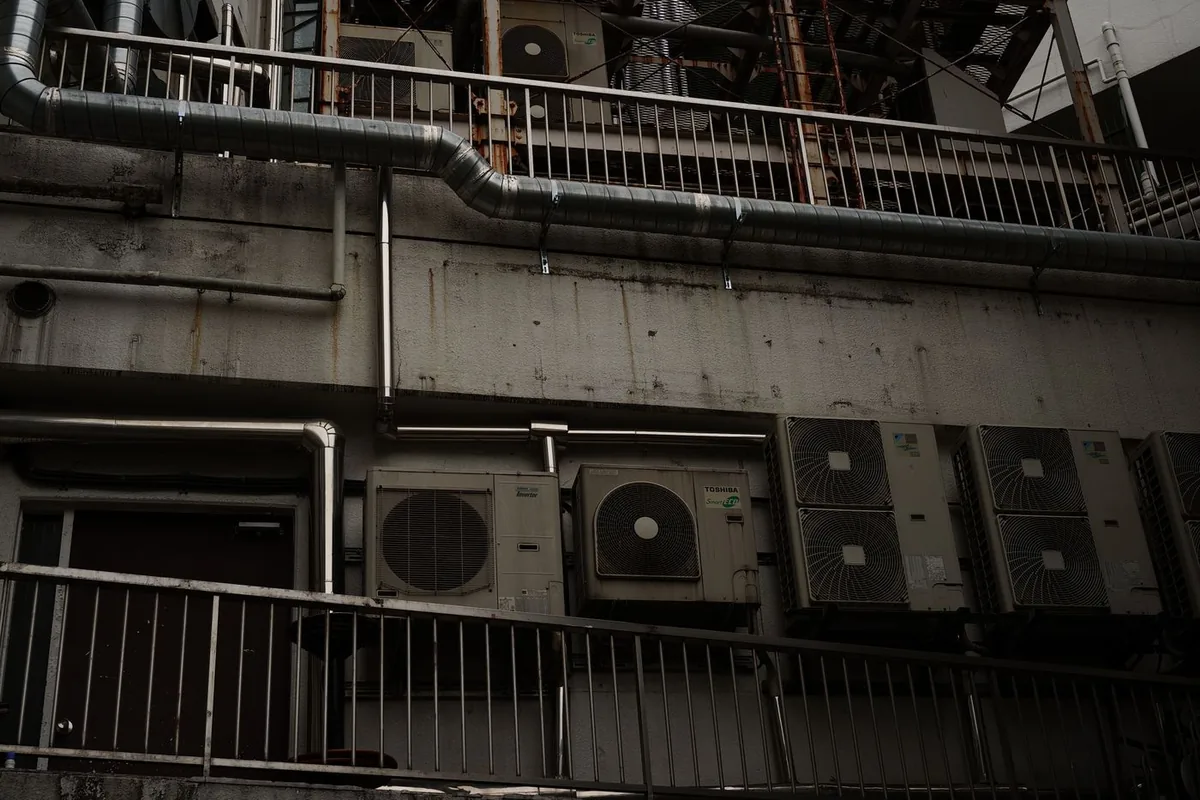
A line set cover kit is the plastic or metal-looking channel that hides and protects the refrigerant lines, condensate drain, and control cable running between a mini split indoor head and the outdoor unit. It is not just cosmetic. The insulation around a suction line breaks down under UV, birds and rodents can damage soft insulation, and an exposed line set on a walkway or driveway wall is easier to hit with ladders, trash bins, or yard tools.
If the line set runs outside for more than a short sleeve through the wall, I would usually budget for a cover. The question is not whether the white channel looks nicer. The question is whether the cover is wide enough, strong enough, and complete enough for the route your installer actually used.
Quick recommendations
- Best pro-grade choice: DiversiTech SpeediChannel or RectorSeal Fortress if you want a rigid, modular system with elbows, couplings, wall caps, and fittings.
- Best budget homeowner kit: DuctlessAire-style or Pioneer-style PVC cover kits when the route is short and straightforward.
- Best for a clean exterior wall: a 4-inch cover instead of the smallest possible cover, because it gives more room for insulation and a smoother bend.
- Best for multi-zone work: ask the installer to size the chase around the actual bundled lines. Guessing from a single-zone kit is how covers end up bulging or impossible to close.
What a line set cover actually protects
A mini split line set is not bare copper hanging on the wall. One copper tube is usually heavily insulated, the smaller tube may have thinner insulation or none depending on the installation, and the bundle may also carry a drain hose plus communication/power wiring. The weak point is the foam insulation around the line. Once that insulation cracks, absorbs water, or gets chewed, system efficiency and condensation control suffer.
RectorSeal’s Fortress literature specifically frames line-set covers as protection from sunlight, moisture, wind, and physical damage, and notes that exposed refrigerant-pipe insulation can deteriorate outdoors. DiversiTech’s SpeediChannel catalog similarly presents the product as a channel system for covering mini split line sets and fittings. RectorSeal Fortress DiversiTech SpeediChannel catalog
A cover also keeps the installation serviceable. A good cover snaps or screws open in sections. Spray foam, tape, and improvised trim can look acceptable for the first season and become a mess when the drain needs service or the line set insulation needs repair.
PVC cover kit vs pro-grade channel
Most homeowner kits are PVC channels sold in fixed lengths: 3-inch or 4-inch wide, often around 10 to 15 feet total, with a wall cap, coupler, elbow, and end fitting. They work well when the indoor head sits on an exterior wall and the line set drops straight down to the outdoor unit.
Pro-grade systems cost more because the fittings are more complete. You can buy inside elbows, outside elbows, flat bends, flexible sections, wall escutcheons, couplings, end caps, and longer runs. That matters on real houses where the line set turns around siding, jogs under a window, or has to reach a side yard condenser.
A budget kit is fine for a simple one-zone install. A modular system is better when the route is visible from the street, exposed to impact, or has several turns.
What size should you choose?
Do not size the cover from the equipment tonnage alone. Size it from the actual bundle:
- insulated suction line diameter;
- liquid line diameter;
- condensate drain hose;
- control cable;
- bend radius;
- number of zones sharing the route;
- wall texture and siding depth;
- whether the cover must pass behind a gutter, trim board, or window frame.
For many single-zone systems, a 3-inch cover can work. A 4-inch cover is often easier to install cleanly and is less likely to crush insulation at elbows. If the line set already looks tight before the cover goes on, choose the larger channel.
Which kit should you buy?
DiversiTech SpeediChannel
SpeediChannel is a strong choice when you want an installer-style system rather than a generic box of plastic. The catalog includes channels, elbows, flexible sections, wall penetrations, and fitting kits. It is the kind of product I would consider for a visible exterior wall where mismatched elbows would look sloppy.
Choose it when the route has multiple turns, the install is permanent, or you may need matching fittings later.
RectorSeal Fortress
RectorSeal Fortress is another pro-grade option. Its own product page emphasizes snap-together installation, UV-resistant accessories, and line-set protection. It is a good comparison against SpeediChannel when local supply, color, and fitting availability matter.
Choose it when you want a clean channel system and can source the correct fittings for the whole route, not just the straight pieces.
DuctlessAire / Pioneer-style kits
These are common homeowner-friendly kits on Amazon. They are usually cheaper and include the basic parts needed for a short run. They are not automatically inferior, but the included fittings may not match every house.
Choose this style when the line set goes through the wall and drops almost straight to the condenser, with only one or two turns.
View 3-inch x 7.5-ft mini split line set cover kit on Amazon View Nouscan 3-inch 13-ft mini split line set cover kit on AmazonInstallation details that matter
A cover should not pinch the insulation or force the copper lines into a sharp bend. Refrigerant lines have minimum bend-radius concerns, and kinking a line is not a cosmetic problem. If the cover will not close without forcing the bundle, the cover is too small or the route needs to be changed.
Keep a slight downward pitch where condensate drain routing is involved. Do not let a cover hide a drain trap, sag, or uphill section that will later cause water to back up into the indoor unit.
Use exterior-rated fasteners appropriate for the wall. Vinyl siding, stucco, brick, fiber cement, and wood all need different fastening decisions. The cover should stay secure without crushing the siding or creating leaks around the wall penetration.
When not to DIY the cover
Installing plastic channel around an existing line set looks easy until you reach the first tight bend near the condenser. Do not loosen flare connections, bend copper aggressively, or move the outdoor unit to make a cover fit. That crosses from trim work into refrigerant-system risk.
DIY makes sense when the line set has clearance, the route is simple, and the system is already operating correctly. Call the installer back if the line set is kinked, sweating, missing insulation, poorly pitched, or routed through a wall penetration that was never sealed properly.
Bottom line
If the line set is outside, exposed, or visible, a cover kit is usually worth the money. Use a budget PVC kit for a straight, simple run. Use SpeediChannel or Fortress when the route is longer, more visible, or more complicated. Pick the size based on the actual insulated bundle, not the product photo.
Sources used
- RectorSeal Fortress line set covers
- DiversiTech SpeediChannel mini split catalog
- DiversiTech SpeediChannel line set covers catalog
Frequently Asked Questions
Do mini split line sets have to be covered?
A cover is not always a code requirement by itself, but exposed insulation and refrigerant piping should be protected from sunlight, weather, impact, and pests. A cover kit is usually the cleanest way to do that on an exterior wall.
What size line set cover do I need?
Most residential mini split jobs use a 3-inch or 4-inch cover, but the right size depends on the insulated suction line diameter, liquid line, drain hose, control cable, bend radius, and whether multiple zones share a chase.
Can I install a line set cover after the mini split is already installed?
Often yes, but it is easier before the final evacuation and commissioning. Retrofit covers may require split fittings, careful cutting, and enough clearance around existing bends.