Buying Guide
Mini Split Outdoor Unit Covers and Insulation Kits
What actually protects a mini split outdoor unit in winter: snow stands, top shields, wind baffles, pipe insulation, and what not to cover.
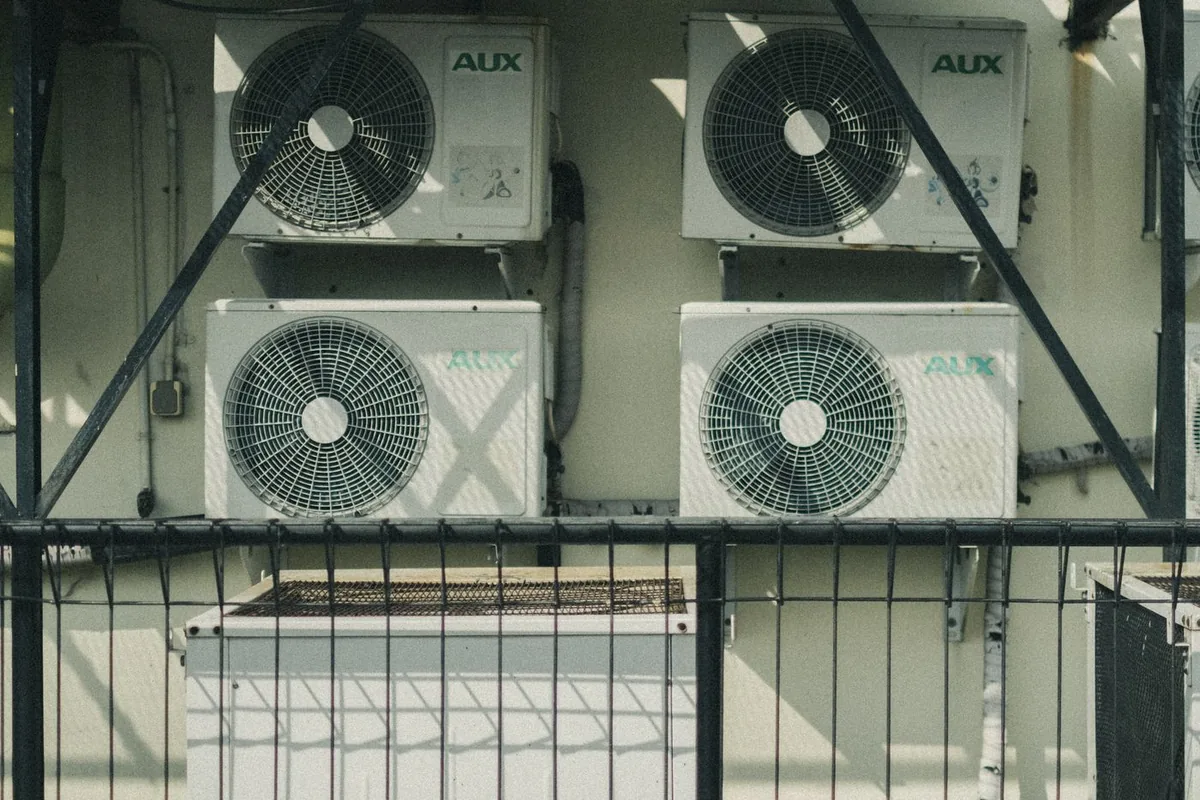
A mini split heat pump outdoor unit is not something you wrap up like patio furniture. If the system heats the house in winter, the outdoor unit needs open airflow and room to defrost. The useful winter products are the ones that keep snow, roof runoff, wind, and damaged insulation from causing problems without choking the machine.
That means: snow stands, wall brackets, top shields, wind baffles approved for the model, fresh pipe insulation, and line set protection. It usually does not mean a tight vinyl cover over the whole condenser while the heat pump is expected to run.
Quick picks
- Best first upgrade in snow country: a wall bracket or snow stand that keeps the unit above drifting snow.
- Best protection under a roof edge: an open top shield or small awning that keeps falling ice and roof runoff off the cabinet.
- Best fix for cracked line insulation: outdoor-rated pipe insulation plus UV protection or a line set cover.
- Best for severe wind exposure: manufacturer-approved wind baffles, not homemade panels pressed against the coil.
- What to avoid: full wraparound covers on any outdoor unit that may run in heating mode.
Full covers are usually the wrong product
A cooling-only air conditioner that is shut down for the season is different from a heat pump that runs all winter. A heat pump outdoor unit needs to pull heat from outdoor air, move large amounts of air through the coil, and periodically defrost itself. Blocking that process can create icing, poor performance, faults, and service calls.
This is why the best winter “cover” is usually not a cover. It is clearance. Keep snow from packing around the base, keep falling ice from hitting the fan grille, and keep the coil open.
If your mini split is truly cooling-only and powered down for the winter, a breathable off-season cover may be reasonable after checking the manual. For a heat pump, assume it must breathe unless the manufacturer says otherwise.
Snow stands and wall brackets
Elevation is the product that solves the most real winter problems. A ground-level outdoor unit can be buried by plowed snow, roof slide, or drifting around the house. Once the lower coil area is packed with snow, the unit has less airflow and more icing risk.
A snow stand or wall bracket raises the condenser above typical accumulation. The right height depends on local snow depth, roof runoff, and the installation manual. In heavy-snow regions, installers often use stands specifically because clearance is more reliable than trying to shovel perfectly after every storm.
Choose a bracket or stand by:
- equipment weight rating;
- wall type or pad type;
- corrosion resistance;
- vibration isolation;
- service clearance;
- expected snow depth.
Do not mount a heavy outdoor unit to weak siding or questionable framing. A bracket is only as good as the structure holding it.
Open top shields and mini roofs
A top shield can make sense when the unit sits below a roof valley, gutter, or drip edge where water freezes on the fan guard. The shield should work like a small roof, not a box. It keeps direct falling snow and ice off the top while leaving the coil faces open.
What to look for:
- open sides and back airflow;
- enough clearance above the unit;
- no loose fabric near the fan;
- access for service panels;
- strength for wet snow and ice load.
A flimsy plastic canopy that bends onto the unit during a storm is worse than no canopy. If the location gets heavy roof slide, the real fix may be relocation, a structural snow shed, or a stand placed away from the drop zone.
Wind baffles are model-specific
Wind baffles are not just decorative side panels. On some systems they help maintain stable operation in wind-exposed or low-ambient conditions. But the wrong panel can block airflow, change fan behavior, or trap snow.
If you think you need wind protection, start with the equipment brand. Mitsubishi, Daikin, Fujitsu, LG, and other manufacturers may have model-specific low-ambient or wind-baffle accessories. A generic panel from Amazon may be fine as a physical shield away from the coil, but it should not be treated as an engineered baffle unless the manufacturer supports it.
Pipe insulation and line set protection
Exterior refrigerant-line insulation takes abuse: UV, rain, wind, birds, rodents, and lawn equipment. If the insulation is split or powdery, replace it before winter makes moisture and freeze-thaw cycles worse.
For a clean repair, use outdoor-rated pipe insulation sized to the actual suction line. Then protect it from sunlight with UV-resistant tape, a line set cover, or a manufacturer-style channel. Do not leave soft foam exposed and expect it to last.
View 3-inch x 7.5-ft mini split line set cover kit on AmazonWhat not to buy
Avoid products that fully enclose the outdoor unit during heating season. Avoid tarps, plastic wrap, and tight fabric covers if there is any chance the unit will run. Avoid magnetic or strapped covers that block the side coil. Avoid anything that can be sucked into the fan.
Also avoid “insulating” the outdoor unit cabinet. The unit is designed to exchange heat with outdoor air, not to be kept warm like a water heater.
Best setup by climate
Mild climate with occasional snow
Keep the base clear, repair pipe insulation, and consider an open top shield only if roof runoff lands on the unit. A full stand may not be needed if the pad stays clear.
Regular snow and freeze-thaw
Use a wall bracket or snow stand, check line set insulation, and protect the top if the unit sits under a roof edge. Leave all coil faces open.
Heavy snow belt or mountain climate
Plan the installation around snow from the start: high stand, protected location, service access, manufacturer-approved accessories, and a path for defrost water to drain without refreezing around the base.
Bottom line
The winter accessories that work are boring: elevation, clearance, open top protection, protected insulation, and approved baffles. A full cover is usually the product that looks protective but causes trouble on a heat pump.
Sources used
- Daikin Quebec: heat pump outdoor unit covering guidance
- RectorSeal Fortress line set cover protection notes
- Mitsubishi Electric HVAC maintenance tips
Frequently Asked Questions
Should I fully cover a mini split outdoor unit in winter?
Not if it is a heat pump that may run in heating mode. A full fabric or plastic cover can block airflow and interfere with defrost. Use open protection such as a snow shield, roof, stand, or manufacturer-approved baffle instead.
What winter accessory helps most in snowy climates?
Usually elevation and overhead protection: a wall bracket or snow stand that keeps the unit above drifting snow, plus a top shield if roof runoff or falling snow hits the unit.
Can I insulate the refrigerant lines myself?
You can replace damaged exterior pipe insulation if you do not disturb refrigerant connections, but use outdoor-rated insulation or a line set cover and avoid compressing the insulation.