Maintenance
Winterizing Your Mini Split: A Complete Checklist
Prepare a mini split for winter with concrete checks for filters, outdoor clearance, drainage, defrost, snow, settings, and backup heat.
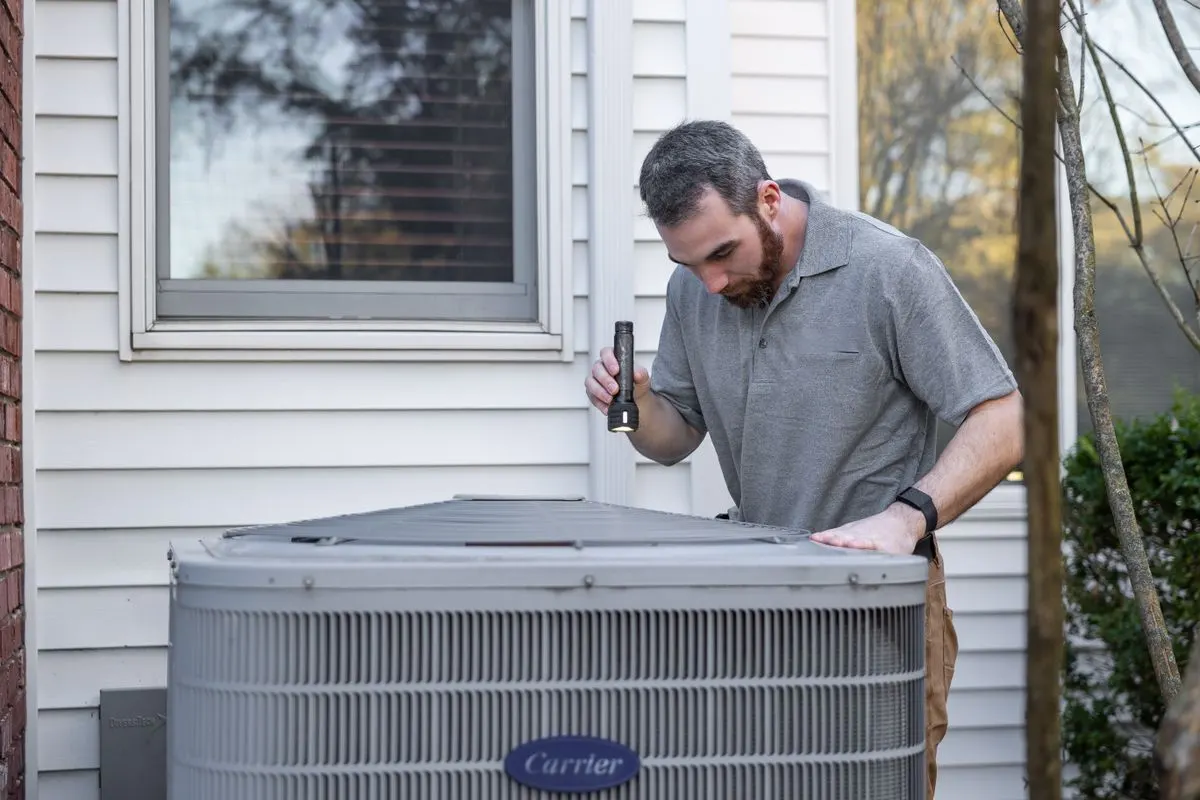
A mini split heat pump does not get winterized the same way a window air conditioner or evaporative cooler does. If you rely on it for heat, the outdoor unit must keep running through cold weather, move air freely, drain defrost water, and stay clear of snow and ice. The goal is not to shut it down and wrap it up. The goal is to remove the small problems that turn into no-heat calls during the first hard freeze.
Use this checklist in early fall, then repeat the outdoor checks before major storms. Always follow your specific owner’s manual first, especially for filter type, clearances, low-temperature limits, accessories, and error codes. Turn the unit off before basic cleaning, keep hands and tools away from the fan and coil fins, and call a licensed HVAC technician for electrical, refrigerant, internal coil, or control problems.
Quick pre-winter checklist
- Clean or replace indoor filters.
- Wipe the indoor head and confirm the return and supply air paths are open.
- Clear leaves, grass, furniture, storage bins, and shrubs from around the outdoor unit.
- Confirm the outdoor unit is high enough for local snow depth or protected with approved stands or snow hoods.
- Check that roof runoff, gutters, and icicles cannot dump water onto the unit.
- Confirm indoor and outdoor condensate/drain paths can flow freely.
- Learn what normal defrost looks and sounds like.
- Set the remote to Heat, not Auto, for winter heating.
- Use a steady setpoint instead of deep setbacks.
- Test backup heat before the first cold snap.
- Schedule professional maintenance if the system is older, newly installed, noisy, icing heavily, or showing error codes.
1. Clean the indoor filters before heating season
Start indoors. Dirty filters reduce airflow across the indoor coil, which can lower comfort, increase runtime, and create avoidable strain. ENERGY STAR’s general HVAC maintenance guidance tells homeowners to inspect, clean, or change heat-pump filters once a month, and ductless manufacturers commonly add model-specific instructions for washable filters.
For most wall-mounted mini splits:
- Turn the unit off.
- Open the front panel gently.
- Remove the washable mesh filters.
- Vacuum loose dust or rinse with lukewarm water.
- Let filters dry fully in the shade before reinstalling.
- Reset the filter reminder if your remote or wired controller has one.
Do not reinstall wet filters, scrub delicate mesh with a stiff brush, or run the unit with filters removed. If your model has deodorizing, catechin, electrostatic, or other specialty inserts, check the manual; many are cleaned or replaced differently than the main dust filters.
A good winter routine is simple: clean the filters at the start of heating season, check them monthly, and shorten the interval if you have pets, a wood stove, construction dust, heavy cooking aerosols, or high occupancy. Some Daikin mini split manuals recommend cleaning air filters about every two weeks during regular use, which is a useful reminder that “once before winter” is not enough for a system that runs daily.
2. Make sure the indoor head can breathe
Mini split heating performance depends on moving warm air through the room. Before winter, look around each indoor unit and remove anything that blocks return air at the top or supply air at the front: curtains, tall bookcases, holiday decorations, stacked boxes, plants, or furniture pushed directly below the head.
Then run the unit in heating mode and confirm the louvers move freely. Warm air rises, so many owners aim the vanes lower in winter to push heat into the occupied zone before it collects near the ceiling. If one room stays cold, do not assume the outdoor unit is failing. Check for closed doors, blocked airflow, poor remote location, or a setpoint being satisfied too close to the indoor unit.
3. Clear the outdoor unit on all sides
The outdoor unit extracts heat from outdoor air, even when the air feels cold. It cannot do that efficiently if the coil is packed with leaves or boxed in by storage, fencing, snow, or shrubs. ENERGY STAR’s ductless heat pump guidance emphasizes unobstructed airflow around outdoor units, and Daikin’s residential operation manual warns not to let leaves and debris accumulate around the outdoor unit.
Before winter:
- Remove leaves, seed pods, grass clippings, and lint from the base and surrounding pad.
- Trim vegetation back so air can enter and leave the unit freely.
- Move patio furniture, trash cans, firewood, snow shovels, and storage tubs away from the unit.
- Check the fan outlet for sticks or debris.
- Confirm the unit is level, stable, and not sinking into soil or mulch.
Use a soft brush or gloved hand for loose debris. Do not bend coil fins, pressure-wash the unit, or remove panels unless you are qualified. If the coil itself is dirty or matted, add that to the professional maintenance list.
4. Plan for snow depth, drifting, and roof runoff
Snow is not just a blockage problem. It can also melt during defrost, refreeze around the base pan, and grow upward toward the fan. Mitsubishi Electric advises keeping the outdoor unit’s surface clear from snow and ice buildup and says contractors should consider average snowfall and mount heat pumps above the snow line. ENERGY STAR also warns that outdoor units release water during winter defrost and that poor placement can create icy patches.
Walk around the unit and ask four questions:
- Will drifting snow bury the coil or fan outlet? Corners, fences, shrubs, and narrow side yards can create drifts deeper than the measured snowfall.
- Is the unit high enough? In snowy climates, many units need wall brackets or snow stands rather than low pads.
- Can roof runoff hit it? Water from eaves, valleys, or clogged gutters can freeze on the cabinet or fan guard.
- Can defrost water drain away? Meltwater needs somewhere to go that will not build an ice pedestal under the unit.
If the answer is no, do not improvise with a tarp or full cover while the unit is operating. Ask an installer about manufacturer-approved risers, snow hoods, wind baffles, drain pan heaters, base heaters, or relocation. A cover that blocks airflow can stop the system from heating and may damage equipment.
5. Check drainage and condensate paths
Mini splits deal with water in two different ways. In cooling mode, the indoor unit removes humidity and sends condensate through a drain line or pump. In heating mode, the outdoor unit can produce water during defrost as frost melts off the coil. Both paths matter before winter.
Indoors, look for old water stains below the head, musty odors, gurgling, or a condensate pump that runs constantly. If your indoor drain line passes through an unconditioned attic, crawlspace, garage, or exterior wall, ask whether it is protected from freezing. A blocked or frozen indoor drain can cause water damage when the system runs in cooling or dehumidification mode during shoulder seasons.
Outdoors, confirm the unit’s base and surrounding grade allow meltwater to leave. Daikin’s manual states that the outdoor drain should discharge to a place with good drainage and that drain hoses should be arranged for smooth drainage. In cold weather, standing water under the unit can refreeze after each defrost cycle. If ice repeatedly builds from the ground or base pan toward the fan, shut the system down if the fan is at risk and call a technician.
6. Know what normal defrost looks like
In heating mode, frost can form on the outdoor coil. A working heat pump periodically enters defrost to clear that frost. During defrost, the outdoor fan may stop, the unit may make whooshing or reversing-valve sounds, steam may rise from the outdoor unit, and the indoor head may pause or stop blowing warm air for a few minutes. Daikin’s manual notes that hot air may not flow from the indoor unit during defrost operation.
Normal defrost is temporary. After the cycle, the outdoor coil should look clearer and heating should resume. Call for service if you see any of these patterns:
- Heavy ice keeps growing and never clears.
- Ice reaches the fan blade or fan guard.
- The outdoor fan does not run in normal heating operation.
- Defrost cycles happen constantly and the room never recovers.
- The system stops with an error code.
- Breakers trip, lights dim severely, or you smell burning.
- You hear grinding, scraping, or fan impact sounds.
Do not chip ice off the coil with a screwdriver, hammer, or shovel. Coil fins and refrigerant tubing are easy to damage. If safe and approved by your contractor, gentle warm water may help clear non-electrical exterior ice in an emergency, but recurring ice is a symptom, not the root cause.
7. Set the remote for winter heating
Remote settings can make a good mini split act unreliable. For winter, ENERGY STAR recommends setting a ductless heat pump to Heat rather than Auto so it does not switch between heating and cooling during unusual weather. It also recommends a steady comfortable temperature because heat pumps do not respond to deep setbacks the same way fossil-fuel furnaces do.
Use this setup as a starting point:
- Mode: Heat
- Fan: Auto or a low/medium speed that distributes heat well
- Setpoint: a steady comfort setting, often 68–72°F depending on the room and household
- Vane direction: downward or sweeping, if that improves room mixing
- Economy mode: only if the room still stays comfortable
- Minimum heat/freeze-protection mode: only for spaces you intentionally keep above freezing, not for normal occupied comfort
If the remote has a temperature sensor, keep it away from direct discharge air, sunlight, exterior doors, or cold windows. A bad remote location can satisfy the thermostat too early or make the system overheat the room.
8. Test backup heat before you need it
Cold-climate mini splits can heat well below freezing, but every system has limits based on model, sizing, installation, wind exposure, and house heat loss. The U.S. Department of Energy identifies ductless mini-splits as one type of air-source heat pump, and ENERGY STAR notes that cold-climate air-source heat pumps are tested for low-temperature performance and that pairing with backup heat can be appropriate when temperatures drop even lower.
Before winter, identify your backup plan:
- Existing furnace, boiler, baseboards, fireplace, or electric resistance heat.
- Which rooms it serves.
- Thermostat settings or switchover procedure.
- Fuel level, if applicable.
- Breaker capacity and safe use instructions for portable heaters.
- What to do during a power outage.
Test the backup heat on a mild day. Make sure thermostats work, vents or radiators are not blocked, and smoke and carbon monoxide alarms are current if any combustion appliance is present. If your mini split is the only heat source in a critical area, ask an HVAC pro whether the system is sized for your design temperature and whether a second heat source is advisable.
9. Schedule professional maintenance when warning signs appear
Homeowner maintenance is mostly cleaning, visual inspection, and smart operation. Professional maintenance is different: electrical checks, refrigerant diagnostics, coil cleaning, blower inspection, condensate pump testing, controls, sensors, and installation corrections. ENERGY STAR recommends annual pre-season HVAC checkups, with heating checked in fall before contractors are booked by winter emergencies.
Call a qualified technician before winter if you notice:
- Weak airflow after filters are clean.
- New rattling, grinding, buzzing, or fan contact.
- Ice that does not clear during defrost.
- Water leaking from the indoor head.
- Repeated error codes or blinking lights.
- Burning odors, electrical smells, or breaker trips.
- A room that no longer reaches setpoint in weather it handled before.
- Outdoor unit movement, sinking, damaged mounts, or vibration.
- Evidence of refrigerant trouble, such as poor heating and oily residue near line-set connections.
Do not attempt refrigerant work, electrical repairs, control-board diagnosis, or internal disassembly as a DIY winterization step. Daikin’s safety guidance warns users not to repair, dismantle, reinstall, or modify air conditioners themselves because improper work can cause water leakage, electric shock, or fire hazards.
10. Storm-day mini split routine
When snow or freezing rain is forecast, do a fast check:
- Clear snow from around the unit before it reaches the coil or fan outlet.
- Brush snow off the top and sides gently; do not strike the cabinet.
- Keep the discharge side open so cold air can leave the unit.
- Watch for roof runoff and icicles above the unit.
- Look for ice building under the base after repeated defrost cycles.
- Make sure the remote is still in Heat mode.
- Avoid large overnight setbacks during extreme cold.
After the storm, inspect again. The most common winter problems are not dramatic failures; they are airflow blocked by a drift, defrost water refreezing under the unit, a forgotten dirty filter, or a remote accidentally left in the wrong mode.
Bottom line
Winterizing a mini split is about keeping it clean, clear, drained, and correctly controlled. Clean the filters, protect outdoor airflow, plan for snow and defrost water, use Heat mode with a steady setpoint, and test backup heat before the first severe cold. If you see heavy ice, fan contact, leaks, electrical symptoms, or persistent error codes, stop treating it as seasonal maintenance and bring in a qualified HVAC technician.
Sources used
- ENERGY STAR, Maintenance Checklist
- ENERGY STAR, Ductless Heating & Cooling
- Daikin, Room Air Conditioner Operation Manual, FTXB/RXB Series PDF
- Mitsubishi Electric HVAC US, Staying Winter-Weather Ready
- U.S. Department of Energy, Heat Pump Systems
- Pexels, Technician Inspecting Outdoor HVAC Unit, photo by Kathleen Austin Kuhn
Frequently Asked Questions
Should I cover my mini split outdoor unit in winter?
No. A heat-pump mini split needs open airflow in heating mode and must be able to shed defrost water. Use only manufacturer-approved snow hoods, stands, wind baffles, or covers designed for operating equipment.
Is frost on the outdoor unit normal?
A light coating of frost can be normal in heating mode. The system should periodically enter defrost and clear it. Thick ice that keeps growing, blocks the fan, or returns immediately after defrost is a service issue.
How often should mini split filters be cleaned before and during winter?
Check the owner’s manual first. As a practical baseline, inspect filters before heating season and then monthly; some manufacturers recommend cleaning washable filters about every two weeks during regular use.